Ledger Login: How to Safely Access and Manage Your Ledger Hardware Wallet
Protecting cryptocurrency requires strong security tools, and Ledger hardware wallets are among the most trusted solutions available today. Whether you own a Ledger Nano S, Ledger Nano S Plus, or Ledger Nano X, understanding how the Ledger login process works is essential for safely accessing and managing your digital assets. This guide explains what Ledger login actually means, how the process works, what tools you need, and how to maintain long-term security with your hardware wallet.
What Ledger Login Really Means
Unlike traditional online accounts that use usernames and passwords, Ledger wallets operate differently. There is no online login page for Ledger. Instead, your wallet access depends on your hardware device and your PIN code.
The term “Ledger login” refers to:
Opening the Ledger Live application,
Connecting your Ledger hardware device,
Unlocking it by entering your PIN on the device,
Allowing Ledger Live to securely communicate with your wallet.
There are no passwords stored on servers, no cloud-based accounts, and no way for anyone else to access your keys. Everything stays offline within your device.
What You Need to Log In to Ledger
Before attempting to access your wallet, make sure you have the following:
A genuine Ledger hardware wallet
Your PIN (created during setup)
Ledger Live installed on your computer or mobile device
The correct cable for connecting your device
Your recovery phrase stored in a secure place (for backup only)
Ledger hardware wallets do not require email logins or cloud authentication. Your physical device is the only gateway to your funds.
Installing Ledger Live
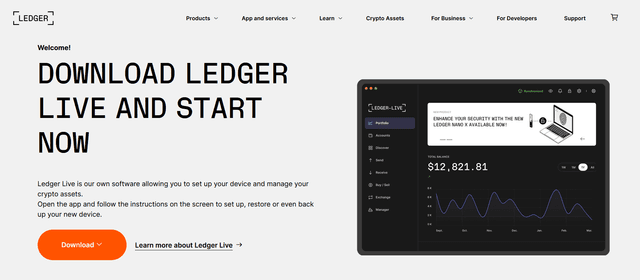
To complete the Ledger login process, you must use Ledger Live, the official management application created by Ledger. You can install it on Windows, macOS, Linux, Android, or iOS.
Here’s how to install Ledger Live:
Visit the official Ledger website.
Choose the correct version for your device and operating system.
Download and install the application.
Open Ledger Live and go through the introductory screens.
Never download Ledger Live from unofficial sources. Fake applications are one of the most common phishing threats targeting cryptocurrency owners.
How Ledger Login Works Through Ledger Live
Once Ledger Live is installed, you can begin the login process:
Launch Ledger Live.
Connect your Ledger device with a USB cable or Bluetooth (Nano X only).
When prompted, enter your device PIN using the physical buttons.
Ledger Live will verify that your device is authentic and secure.
After verification, you gain access to your accounts, app manager, and portfolio dashboard.
Ledger Live acts as the interface, while your Ledger device remains the secure vault that approves all transactions.
At no time does your private key leave the device. This separation is what makes Ledger secure.
Why Ledger Login Is More Secure Than Online Login Systems
Most online wallets store private keys on remote servers or browser-based applications. Ledger keeps private keys inside a secure element chip, which is isolated from the internet. This design protects your wallet from:
Key theft
Malware
Phishing sites
Remote hacks
Unauthorized access
Since the login requires physical device interaction and a PIN, attackers must have both your device and your PIN to gain access. Even then, multiple incorrect PIN attempts will wipe the device for safety.
Solving Common Problems With Ledger Login
Some users experience issues during the login process. Below are the most common problems along with simple solutions.
Device Not Recognized
If Ledger Live fails to detect your wallet:
Try a different USB port
Use the original cable
Restart Ledger Live
Update Ledger Live to the latest version
Check if your device requires a firmware update
Incorrect PIN
If you enter your PIN wrong multiple times, the device will eventually reset. You can restore your wallet using your 24-word recovery phrase.
Ledger Live Not Responding
If Ledger Live freezes or won’t open:
Restart your computer
Update Ledger Live
Check your internet connection (required for some features)
Temporarily disable antivirus programs blocking USB devices
Bluetooth Problems (Nano X)
If Bluetooth will not connect:
Restart the Nano X
Disable and re-enable Bluetooth on your phone
Move away from other wireless devices causing interference
Important Security Practices for Ledger Login
To keep your crypto safe, you must follow strict security practices. Ledger is secure, but user mistakes can still lead to losses. Here are the most important guidelines.
Keep Your Recovery Phrase Offline
Your recovery phrase is the only backup for your wallet. Write it down on paper or metal and store it securely. Never save it digitally.
Never Share the Recovery Phrase
No customer support agent, website, or software will ever ask for your recovery phrase. Sharing it gives full control of your wallet to someone else.
Use Only Official Ledger Resources
Fake Ledger websites and apps are common. Always verify URLs and only download from trusted sources.
Update Firmware Regularly
Firmware updates improve security and compatibility. Ledger Live will notify you when updates are needed.
Consider Using a Passphrase
Advanced users can enable an additional passphrase for an extra layer of security. This creates a hidden wallet that only you can access.
What You Can Do After Logging In
Once successfully logged into Ledger Live with your hardware wallet, you can:
Add and remove cryptocurrency accounts
Send and receive crypto securely
Install and manage apps on your device
Monitor real-time portfolio values
Stake certain assets
Access advanced security features
Every transaction must be confirmed physically on your Ledger device, ensuring complete control.
Final Thoughts
The Ledger login process is built around safety, simplicity, and user control. Instead of using online passwords or cloud logins, Ledger relies on hardware-based protection, PIN authorization, and secure offline key storage. By following the proper login steps and practicing strong security habits, you can confidently manage your cryptocurrency with one of the safest wallets available today.